Why ADAS Recalibration Matters After Collision Repair
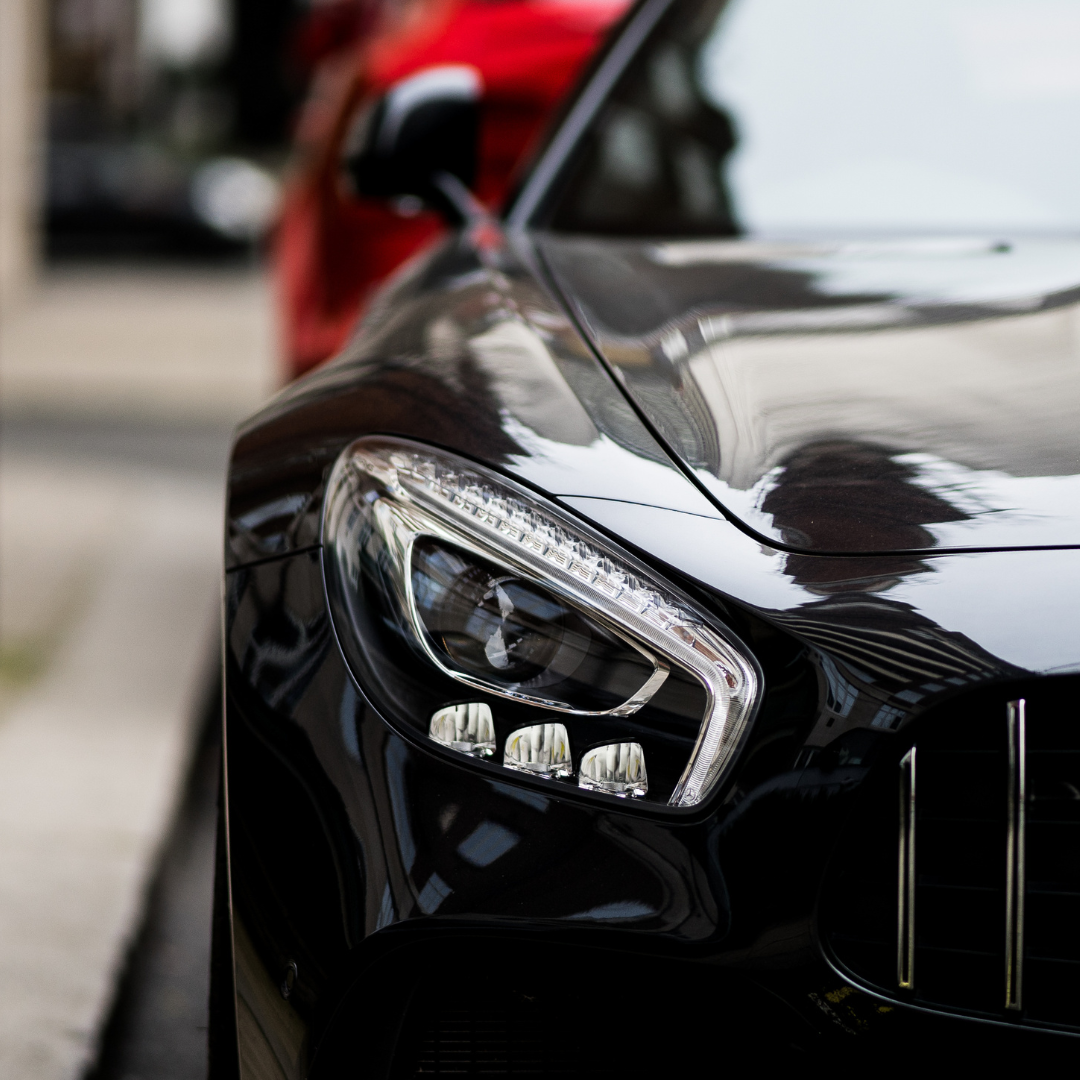
If your vehicle has advanced safety features like automatic emergency braking, lane keeping assist, or blind spot monitoring, those systems may need to be recalibrated after a collision. Even a minor impact can shift the cameras and sensors your vehicle depends on, and the issue may not show up as a warning on your dashboard.
What Is ADAS?
ADAS stands for Advanced Driver Assistance Systems. These are the safety features built into most modern vehicles, especially luxury and performance models. They include automatic emergency braking, adaptive cruise control, lane departure warning, blind spot monitoring, parking assist, and rear cross-traffic alert.
These systems rely on cameras, radar modules, and ultrasonic sensors positioned throughout the vehicle. You'll find them behind the windshield, inside the front and rear bumpers, in the side mirrors, and near the grille. Each one is precisely calibrated at the factory to work within very tight tolerances.
Why Collisions Affect These Systems
A collision can shift the position of a sensor or camera just enough to change how it reads the road. The concern is that even a small misalignment can affect the accuracy of your safety systems without triggering a dashboard warning. The sensor is still connected and powered, so the car treats it as functional, but it may no longer be pointing where it should be.
This is why most luxury manufacturers, including BMW, Mercedes-Benz, Audi, Porsche, and Tesla, require ADAS recalibration after certain types of repairs. Common triggers include:
- Front or rear bumper repair or replacement
- Windshield replacement
- Side mirror replacement
- Suspension or wheel alignment work
- Any structural repair near a sensor location
These aren't optional recommendations. They are part of the manufacturer's repair procedures, and skipping them can compromise the way your vehicle is designed to protect you.
How Recalibration Works
There are two types of ADAS recalibration, and some vehicles require both.
Static calibration is done with the vehicle stationary in a controlled environment. Precision targets are placed at specific distances and angles from the vehicle, and the system is realigned using the manufacturer's diagnostic tools.
Dynamic calibration is done while driving. A diagnostic device connected to the vehicle recalibrates sensors against real-world conditions like lane markings, signs, and road geometry at manufacturer-specified speeds.
Both methods require trained technicians who know the procedures specific to your vehicle. Generic tools are not sufficient for this work.
Why It Matters for Luxury Vehicles
Luxury and performance vehicles tend to carry more ADAS sensors than standard models, and those systems are more deeply integrated into the driving experience. A BMW 5 Series, Mercedes-Benz GLC, or Porsche Cayenne may have numerous individual sensors that need to be verified after a collision.
Beyond safety, there are practical considerations. Improperly calibrated systems may affect your vehicle's warranty coverage on related components. And when it comes time to sell or trade in, a repair history that includes proper OEM-level recalibration protects your vehicle's resale value in a way that a shortcut repair does not.
How Reborn Handles ADAS Recalibration
At Reborn Autobody, ADAS recalibration is part of our repair process whenever it is required by the manufacturer. Our technicians are trained to perform diagnostic scans before and after collision repairs to help identify which systems need attention and confirm that they have been restored to specification.
We use manufacturer-approved repair procedures. If your vehicle requires both static and dynamic calibration, our team works to complete both before returning your vehicle to you.
If you carry collision coverage through ICBC, recalibration costs are generally included as part of your eligible repair. We can confirm this during your estimate.
Frequently Asked Questions
What is ADAS recalibration?
ADAS recalibration is the process of realigning your vehicle's safety sensors, cameras, and radar to the manufacturer's specifications after a collision or certain repairs. It ensures features like automatic emergency braking, lane keeping, and blind spot monitoring work correctly.
Does a minor collision require ADAS recalibration?
Even a low-speed impact can shift a sensor or camera enough to affect how your safety systems read the road. Most luxury manufacturers require recalibration after bumper repairs, windshield replacement, or suspension work, regardless of how minor the damage appears.
Does ICBC cover ADAS recalibration?
If recalibration is required as part of your collision repair and you have the appropriate ICBC coverage, it is generally included in your claim. Your repair facility can confirm this during the estimate process.
Will my car warn me if the sensors are misaligned after a collision?
Not necessarily. A misaligned sensor may still be electrically connected and appear functional on the dashboard. The system may not trigger a warning light even though it is no longer reading the road accurately. A proper diagnostic scan is the only way to confirm correct alignment.
Contact Us
If your vehicle has been in a collision and you want to be confident its safety systems are functioning correctly, connect with with Reborn Autobody. We'll assess what your vehicle needs and walk you through the process.
Book an appointment | Find a location